Which healing peptides are attracting the most scientific attention in 2026?
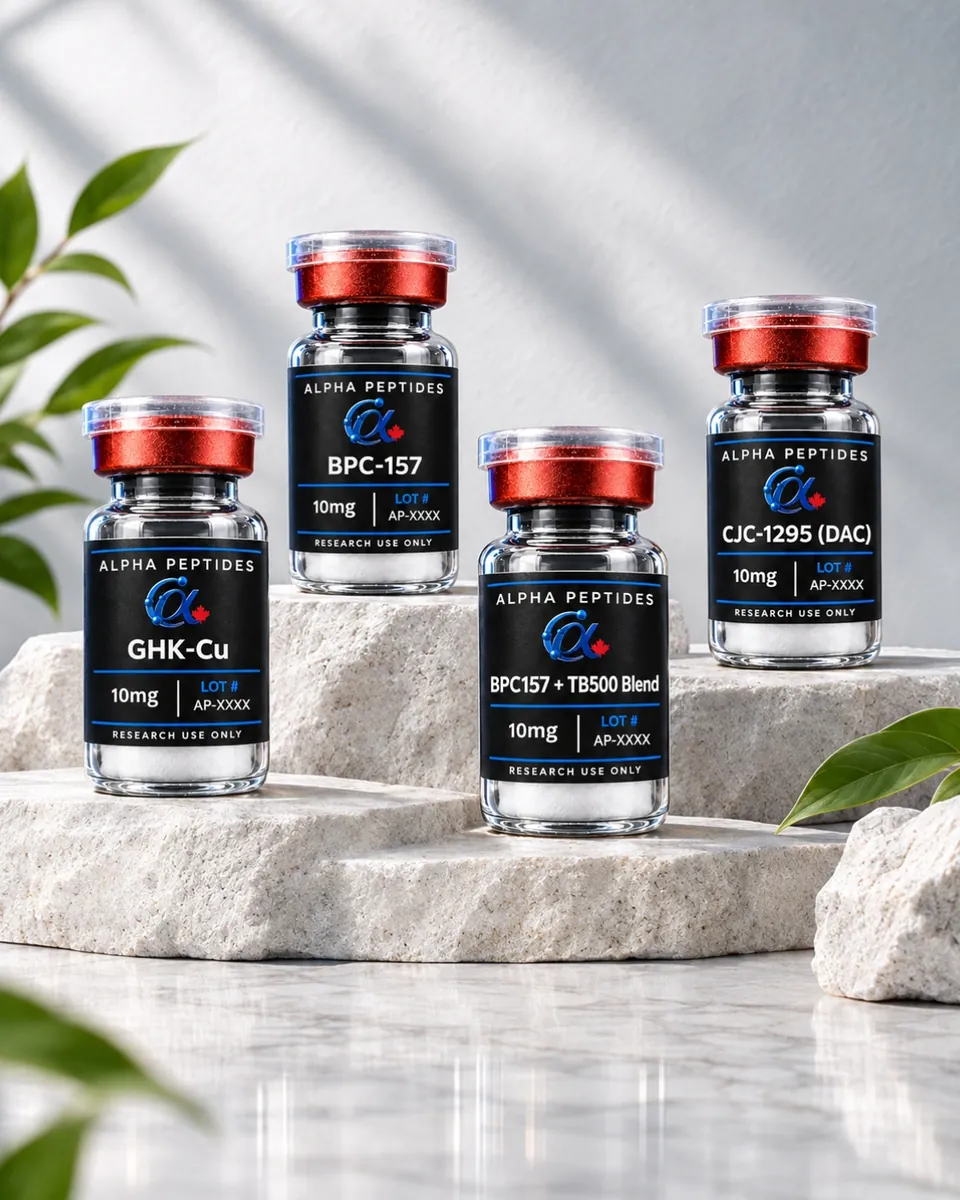
Four prominent compounds are BPC-157, GHK-Cu, BPC-157 + TB-500, and CJC-1295 DAC. Each has a different research profile, ranging from experimental tendon and ligament repair to collagen signalling, cellular migration and growth hormone regulation.
BPC-157 is particularly prominent in preclinical musculoskeletal research. GHK-Cu has been investigated for skin regeneration and collagen-related pathways. TB-500 is associated with research involving thymosin beta-4 and cellular migration, while CJC-1295 DAC has been evaluated in human studies for its effects on growth hormone and IGF-1.
However, an important distinction remains: promising biological research does not necessarily mean a peptide has proven healing benefits in humans.
At Alpha Peptides Canada, we follow developments in peptide research and emphasize scientific evidence, compound identity and research material transparency.
In this 2026 guide, we examine the four peptides, the healing-related mechanisms being investigated, the latest scientific findings and the questions researchers have yet to answer.
What Are Healing Peptides and How Do They Work?
Peptides are molecules composed of chains of amino acids. In the human body, many naturally occurring peptides participate in cellular communication, metabolic regulation, hormone signalling and tissue maintenance.
The phrase healing peptides is commonly used in online searches to describe compounds being studied for their potential involvement in biological repair processes.
These processes include:
- Tissue repair: Cellular responses associated with damaged muscles, tendons and ligaments.
- Collagen production: Biological mechanisms involved in maintaining skin and connective tissue structure.
- Angiogenesis: The formation of blood vessels, which plays a role in normal wound repair.
- Inflammatory signalling: Cellular pathways involved in inflammation and tissue responses.
- Cell migration: The movement of cells during tissue organisation and wound closure.
- Hormonal regulation: Growth hormone and IGF-1 pathways associated with tissue physiology.
Not every peptide influences all these mechanisms, and evidence observed in cell cultures or animals cannot automatically be applied to people.
The Best-Known Healing Peptides of 2026: Research Comparison
| Peptide | Main Research Interest | Human Evidence |
|---|---|---|
| BPC-157 | Tendon, ligament, muscle and gastrointestinal repair | Very limited; primarily preclinical |
| GHK-Cu | Collagen, skin remodelling and wound-related biology | Small topical dermatological studies |
| BPC-157 + TB-500 | Tissue repair signalling and cell migration | No established human efficacy for the blend |
| CJC-1295 DAC | Growth hormone and IGF-1 regulation | Controlled human studies of hormonal effects, not healing outcomes |
These compounds are not ranked by proven effectiveness. Instead, the comparison reflects the areas in which they have attracted research interest.
1. BPC-157: One of the Most Discussed Peptides in Tissue Repair Research
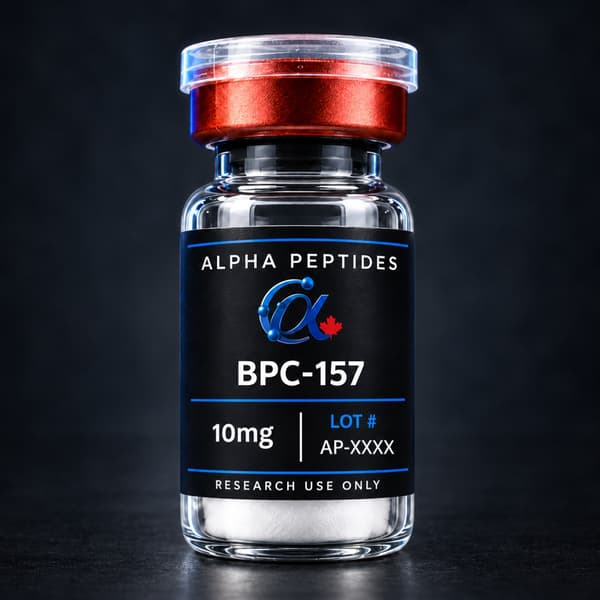
BPC-157, also known as Body Protection Compound-157, is a synthetic peptide composed of 15 amino acids.
It has become one of the most frequently discussed compounds in experimental musculoskeletal research because of animal studies examining tissue protection, tendon repair, ligament injury and muscle recovery.
Researchers have investigated how BPC-157 may influence biological processes involved in restoring tissue structure following experimental injuries. For a deeper look at this compound, read BPC-157 explained.
BPC-157 and Tendon Healing Research
Tendons connect muscles to bones and depend on organised collagen fibres to withstand mechanical forces.
When a tendon is injured, healing involves several processes, including cellular migration, collagen deposition, inflammatory responses and tissue remodelling.
Preclinical BPC-157 studies have investigated tendon injury models, examining changes in structural organisation, cellular activity and repair-associated signalling.
These findings have generated interest in whether BPC-157-related pathways could eventually contribute to human tendon repair research.
BPC-157 and Ligament Repair
Ligaments help stabilise joints by connecting bones. Because ligament injuries can be difficult to manage, experimental research has explored several biological approaches to supporting repair.
BPC-157 has been investigated in animal models of ligament injury, with researchers examining tissue organisation and recovery-related responses.
Potential mechanisms under investigation include cellular signalling and extracellular matrix remodelling.
Human clinical trials are still needed to determine whether these findings have meaningful medical applications.
BPC-157 and Muscle Recovery
Another major research interest involves skeletal muscle.
During experimental muscle injury, researchers can examine processes such as inflammation, cell activity, muscle tissue organisation and restoration of mechanical function.
BPC-157 has been investigated in preclinical muscle injury models, contributing to its reputation as a peptide of interest in sports medicine research.
However, claims that it accelerates recovery after workouts, repairs torn muscles or restores athletic performance remain unproven in humans.
BPC-157 and Blood Vessel Formation
Angiogenesis is the process through which new blood vessels develop from existing vessels.
Because blood vessels supply oxygen and nutrients, angiogenesis is an important part of normal tissue repair.
Experimental studies have explored whether BPC-157 influences vascular signalling, including pathways associated with endothelial cells and nitric oxide activity.
Understanding these mechanisms may help researchers investigate broader questions about tissue biology and wound repair.
BPC-157 and Gastrointestinal Research
BPC-157 has also attracted attention for its potential relationship with gastrointestinal tissue.
Preclinical investigations have examined experimental damage involving the stomach and intestines, along with inflammatory and protective cellular responses.
This research remains investigational and does not establish BPC-157 as a treatment for gastrointestinal diseases.
What Does the Latest 2026 BPC-157 Research Show?
An important systematic review published on October 8, 2026, evaluated the available human evidence for BPC-157.
The researchers identified three human studies involving just 30 participants in total.
These studies included investigations involving knee pain, interstitial cystitis and short-term safety.
Although the studies reported some favourable findings, the review concluded that the available evidence was of very low certainty because of methodological limitations and small sample sizes.
The authors did not support clinical use outside properly regulated research trials.
This is an important development because it clarifies the difference between BPC-157's popularity and the current strength of human evidence.
BPC-157 research summary
- Most published evidence involves animal and laboratory studies.
- Tendon, ligament and muscle repair remain prominent research interests.
- Human evidence is very limited and low certainty.
- Long-term human safety and effectiveness have not been established.
Related research: Explore Alpha Peptides Canada's educational resources at Alpha Peptides Canada.
2. GHK-Cu: The Copper Peptide Studied for Collagen and Skin Regeneration
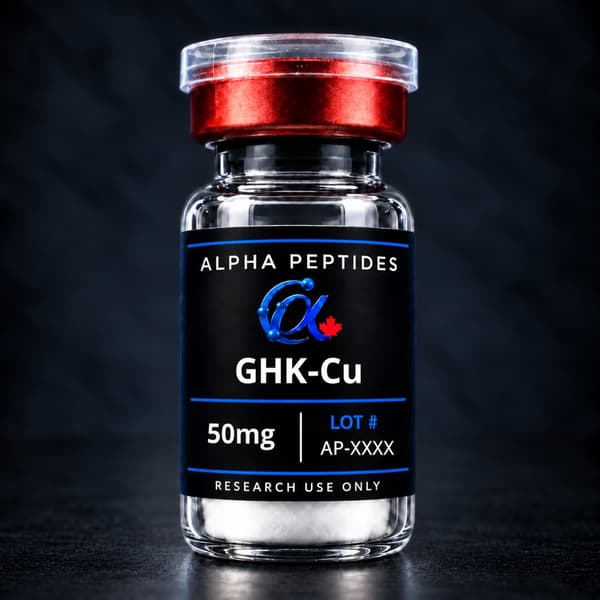
GHK-Cu, also known as copper tripeptide-1, is a naturally occurring copper-binding peptide complex.
It contains the amino acid sequence glycine-histidine-lysine and has been studied for its involvement in skin biology, collagen-related processes and cellular signalling.
Unlike BPC-157, which is prominently associated with experimental musculoskeletal research, GHK-Cu has a more established research history in dermatology and skin remodelling. Our GHK-Cu research guide covers these studies in more detail.
GHK-Cu and Collagen Production
Collagen is one of the most abundant structural proteins in the human body.
It contributes to the strength and organisation of skin, tendons, ligaments and other connective tissues.
Laboratory studies suggest that GHK-Cu can influence fibroblast activity and extracellular matrix processes associated with collagen synthesis and remodelling.
Fibroblasts are cells responsible for producing important structural components of connective tissue.
Because of these mechanisms, GHK-Cu has become a prominent compound in experimental studies of skin ageing and tissue maintenance.
GHK-Cu and Skin Repair
Skin repair requires multiple coordinated events, including cell migration, extracellular matrix formation and tissue remodelling.
Research has explored GHK-Cu's influence on these processes, particularly in laboratory and preclinical skin models.
Small human studies involving topical copper-peptide formulations have also investigated skin appearance, texture and structural changes.
However, clinical evidence remains limited, and findings involving topical cosmetic products do not establish the effectiveness of injectable GHK-Cu.
GHK-Cu and Wound Healing Research
Experimental research has examined GHK-Cu in relation to several wound-related mechanisms:
- Fibroblast activity and cellular migration
- Extracellular matrix organisation
- Collagen-related signalling
- Oxidative stress responses
- Tissue remodelling
These mechanisms are relevant because normal wound healing depends on coordinated cellular activity rather than a single biological pathway.
What Does the 2026 GHK-Cu Research Say?
A 2026 systematic review examined research involving GHK-Cu, tissue regeneration and topical delivery technologies.
The review found substantial preclinical evidence supporting continued investigation of the compound's biological mechanisms.
However, the authors also identified important limitations in the human clinical literature, particularly the lack of large, well-controlled studies.
GHK-Cu research summary
- Strong mechanistic interest in skin and collagen biology.
- Numerous laboratory and preclinical investigations.
- Limited human studies involving topical formulations.
- Insufficient evidence for systemic healing or injectable regenerative treatments.
For researchers interested in collagen, skin biology and extracellular matrix remodelling, GHK-Cu remains an important area of scientific investigation.
3. BPC-157 + TB-500 Blend: Research Into Complementary Tissue Repair Mechanisms
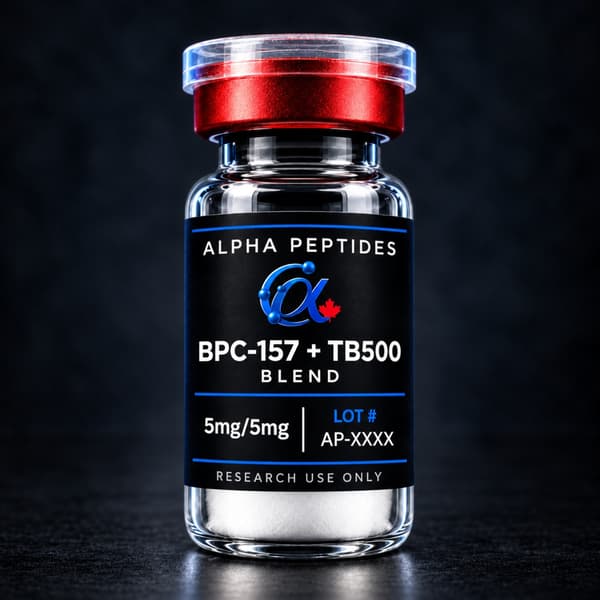
The combination of BPC-157 and TB-500 has become widely discussed in peptide research communities.
Sometimes referred to online as the Wolverine Stack, this combination brings together compounds associated with different aspects of experimental tissue repair biology.
BPC-157 is primarily discussed in connection with preclinical injury models, while TB-500 is commonly associated with research involving thymosin beta-4, cellular migration and actin-related pathways.
What Is TB-500?
TB-500 is a synthetic peptide commonly associated with thymosin beta-4 research.
Thymosin beta-4 is a naturally occurring peptide involved in the regulation of actin, a protein important for cellular structure and movement.
Cellular movement plays a role in processes such as tissue organisation and wound closure.
An important distinction is that TB-500 is frequently identified as a peptide fragment rather than the full-length thymosin beta-4 molecule.
This distinction matters because research findings involving full-length thymosin beta-4 cannot automatically be applied to TB-500.
TB-500 and Cell Migration
Cell migration is a critical component of normal wound healing.
During tissue repair, cells move toward injured regions and participate in the formation and organisation of new tissue.
Studies involving thymosin beta-4 have investigated cell migration, actin dynamics and wound-associated biological responses.
These mechanisms have contributed to scientific interest in related peptide fragments.
However, more direct research is required to establish the biological activity and clinical relevance of specific TB-500 preparations.
Why Are BPC-157 and TB-500 Combined?
The theoretical interest behind the combination involves the different pathways associated with each compound.
BPC-157 research includes experimental tissue protection, vascular signalling and injury-associated repair mechanisms.
Thymosin beta-4 research includes actin regulation, cellular migration and wound-related processes.
Researchers could investigate whether these pathways interact in combined experimental systems.
However, there is currently no established clinical evidence that combining BPC-157 with TB-500 produces superior healing or recovery outcomes in humans.
The proposed synergy remains a hypothesis rather than a demonstrated medical benefit.
BPC-157 + TB-500 Research Summary
- The compounds are associated with different biological research pathways.
- BPC-157 has been investigated extensively in preclinical injury models.
- Thymosin beta-4 research includes cell migration and wound-related signalling.
- Evidence from full-length thymosin beta-4 must not be treated as proof of TB-500's effects.
- The safety and effectiveness of the combined blend have not been established in humans.
For scientific researchers, the combination raises questions about overlapping repair-associated pathways, but controlled studies are necessary before conclusions can be drawn about combined effects.
4. CJC-1295 DAC: Research Into Growth Hormone and IGF-1 Signalling
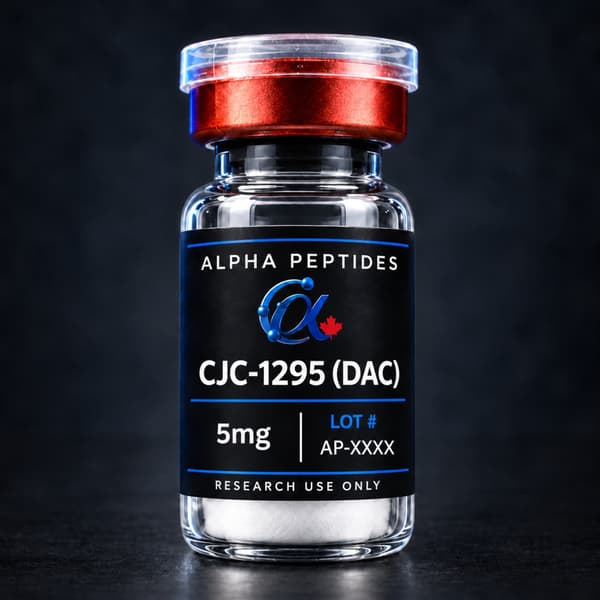
CJC-1295 DAC is a long-acting synthetic analogue of growth hormone-releasing hormone, commonly abbreviated GHRH.
Its primary research interest differs from the other peptides in this guide.
Rather than being studied mainly for direct wound-related signalling, CJC-1295 DAC has been investigated for its influence on growth hormone secretion and insulin-like growth factor-1 (IGF-1).
The DAC component, or Drug Affinity Complex, extends the compound's activity through binding to circulating albumin.
CJC-1295 DAC and Growth Hormone
Growth hormone is involved in several physiological processes, including growth, metabolism and tissue maintenance.
Researchers have investigated whether CJC-1295 DAC can influence circulating growth hormone levels over extended periods.
A controlled human study published in the Journal of Clinical Endocrinology & Metabolism demonstrated sustained increases in growth hormone following administration of the compound.
These findings established measurable pharmacological activity in humans.
CJC-1295 DAC and IGF-1
IGF-1 is a hormone involved in growth-related and metabolic signalling.
Research has demonstrated that CJC-1295 can increase circulating IGF-1 concentrations in healthy adults.
In the 2006 clinical study, researchers observed sustained elevations in growth hormone and IGF-1 following administration.
This has contributed to interest in the broader growth hormone–IGF-1 axis.
However, increased hormone concentrations do not establish improved injury recovery, muscle regeneration or connective tissue healing.
Does CJC-1295 DAC Improve Muscle Recovery?
Although growth hormone and IGF-1 have recognised physiological roles, there is insufficient controlled human evidence demonstrating that CJC-1295 DAC improves muscle recovery after exercise or accelerates healing after injuries.
These outcomes would require separate clinical trials measuring meaningful recovery endpoints.
CJC-1295 DAC vs. CJC-1295 Without DAC
This is an important distinction in peptide research.
CJC-1295 DAC is the long-acting compound associated with published human pharmacological studies.
Products marketed as CJC-1295 without DAC are frequently associated with modified GRF(1-29), which has different pharmacological characteristics.
Researchers should verify compound identity rather than assume the names describe interchangeable substances.
CJC-1295 DAC research summary
- Controlled human studies demonstrate effects on growth hormone and IGF-1.
- Its long-acting properties have been characterised pharmacologically.
- Effects on muscle healing and injury recovery have not been established.
- Long-term safety for non-approved uses remains uncertain.
Which Healing Peptide Has the Strongest Scientific Evidence in 2026?
The answer depends on the biological outcome being studied.
For tendon and ligament research: BPC-157 has attracted considerable preclinical interest, although human evidence remains extremely limited.
For collagen and skin-related research: GHK-Cu has a substantial laboratory research history and a limited body of topical human evidence.
For cellular migration and experimental wound biology: Thymosin beta-4-related research provides mechanistic insights, but conclusions about TB-500 itself require additional investigation.
For growth hormone and IGF-1 regulation: CJC-1295 DAC has controlled human studies demonstrating changes in hormone concentrations, but not proven healing outcomes.
Research Evidence Comparison
| Peptide | Preclinical Research | Human Clinical Evidence | Established Human Healing Benefit |
|---|---|---|---|
| BPC-157 | Extensive interest in injury models | Very limited | No |
| GHK-Cu | Extensive skin and cell research | Limited topical evidence | Not established for injury healing |
| BPC-157 + TB-500 | Mechanistic rationale drawn from separate compounds | Inadequate for the blend | No |
| CJC-1295 DAC | Growth hormone pathway research | Controlled hormonal studies | No |
Alpha Peptides Canada: A Focus on Research Quality and Transparency
As scientific interest in peptides continues to grow, understanding compound identity and research material quality becomes increasingly important.
At Alpha Peptides Canada, our focus is on supplying research peptides for laboratory research while making product information and analytical documentation central to our approach.
Our research catalogue includes compounds discussed throughout this article, including BPC-157, GHK-Cu, BPC-157 + TB-500 and CJC-1295 DAC.
We believe that scientific research depends on accurate identification of materials and transparent documentation.
Why Product Testing Matters in Peptide Research
Researchers evaluating peptide materials should pay attention to several important factors.
HPLC purity analysis
High-performance liquid chromatography, or HPLC, is a laboratory technique used to separate and analyse compounds within a sample.
It is commonly used in peptide purity assessments, although a high HPLC purity percentage alone does not establish identity, safety or sterility.
Certificates of Analysis
A Certificate of Analysis, or COA, documents specific analytical findings for a tested material. Our guide on how to read a Certificate of Analysis explains what to look for.
Researchers should assess the testing methods, reported results and relationship between the certificate and the product being evaluated.
Lot number traceability
Matching lot numbers can help connect individual research materials with the corresponding analytical documentation.
Contaminant screening
Depending on the intended laboratory application, screening for relevant contaminants may provide additional information about material quality.
Our Approach at Alpha Peptides Canada
We emphasize research material transparency, accurate product information and the availability of relevant laboratory documentation.
Our objective is to support informed scientific evaluation of peptide compounds while distinguishing experimental research findings from established medical treatments.
Learn more about our research peptide catalogue at Alpha Peptides Canada.
Are Healing Peptides Approved for Human Use in Canada?
The regulatory status of peptides is an important consideration when interpreting online research and product information.
Health Canada has specifically warned consumers about unauthorized injectable peptides advertised for injury recovery, muscle growth, anti-ageing and other human applications.
Its April 2026 advisory identified compounds including BPC-157, GHK-Cu, CJC-1295 and TB-500 among unauthorized injectable products of concern.
On November 6, 2026, Health Canada issued a further warning after testing found bacterial contamination in certain unauthorized injectable peptide products sold online.
These warnings highlight why the existence of scientific research, a purity report or a research-use label does not establish authorization for human administration.
Products designated for laboratory research are not intended for human consumption or injection.
Readers should distinguish between peer-reviewed experimental findings and approved medical treatments.
Frequently Asked Questions About Healing Peptides
What are the best healing peptides of 2026?
BPC-157, GHK-Cu, TB-500-related compounds and CJC-1295 DAC are frequently discussed in regenerative and recovery-related research. However, none can currently be identified as the best proven peptide treatment for healing human injuries.
Is BPC-157 being studied for tendon and ligament repair?
Yes. BPC-157 has been investigated in preclinical models involving tendon and ligament injuries. However, the available human evidence is insufficient to establish therapeutic effectiveness.
What is GHK-Cu known for in research?
GHK-Cu is studied for collagen-related processes, skin remodelling, cellular signalling and experimental wound biology. Some small human studies have examined topical dermatological formulations.
What is the BPC-157 + TB-500 blend?
It is a combination of two investigational peptides discussed in relation to tissue repair research. Its proposed benefits are based largely on mechanisms associated with the individual compounds rather than controlled human trials of the combination.
Does CJC-1295 DAC increase growth hormone?
Controlled human studies have demonstrated that CJC-1295 can increase circulating growth hormone and IGF-1 concentrations. This does not establish that the compound accelerates tissue healing or improves athletic recovery.
Are healing peptides legal in Canada?
Regulatory requirements depend on the specific compound, product, intended use and applicable Canadian laws. Health Canada warns that unauthorized peptide products marketed for human treatment or other therapeutic purposes may be illegally sold and can present serious health risks.
What should researchers look for in a peptide Certificate of Analysis?
Important considerations include the compound identity, analytical methods, reported purity, tested lot number and the laboratory responsible for the analysis. A Certificate of Analysis is a useful research document but does not independently demonstrate that a product is safe or authorized for human use.
Final Thoughts: What Does the Future Hold for Healing Peptide Research?
The scientific interest surrounding healing peptides continues to evolve as researchers investigate biological pathways involved in tissue maintenance, wound repair, collagen remodelling and hormonal regulation.
BPC-157 remains a prominent subject of experimental tendon, ligament and muscle research.
GHK-Cu continues to attract attention for its relationship with collagen and skin biology.
BPC-157 + TB-500 raises questions about potentially complementary cellular pathways, although combined effects remain unproven.
CJC-1295 DAC provides a different perspective through controlled studies examining growth hormone and IGF-1 signalling.
As of November 2026, the most important next steps involve stronger human clinical trials, better characterisation of research compounds and more rigorous evaluation of long-term safety.
At Alpha Peptides Canada, we believe the future of peptide research should be guided by scientific evidence, transparency and a clear understanding of what experimental findings can—and cannot—demonstrate.
Explore research peptide information and our catalogue at Alpha Peptides Canada.
Scientific References and Further Reading
- 1Poolton JT, Minett J, Kazmi A. (2026). Human evidence for BPC-157 in orthopaedic and regenerative medicine: a systematic review of efficacy and safety. Acta Orthopaedica Belgica. pubmed.ncbi.nlm.nih.gov/42885452/
- 2GHK-Cu Systematic Review (2026). A Systematic Review of the Mechanisms and Therapeutic Applications of GHK-Cu in Topical Microneedle Delivery. pubmed.ncbi.nlm.nih.gov/42787770/
- 3Investigational Peptides in Orthopaedic Practice (2026). Evidence, Safety, and Patient Counseling for BPC-157, Thymosin Beta-4, and TB-500. pubmed.ncbi.nlm.nih.gov/42937313/
- 4Teichman SL et al. (2006). Prolonged Stimulation of Growth Hormone and Insulin-Like Growth Factor I Secretion by CJC-1295. Journal of Clinical Endocrinology & Metabolism. pubmed.ncbi.nlm.nih.gov/16352683/
- 5Health Canada (2026). Think twice before injecting peptides bought online. recalls-rappels.canada.ca/en/alert-recall/think-twice-injecting-peptides-bought-online-unauthorized-products-can-seriously-harm
- 6Health Canada (November 6, 2026). Health Canada warns about contaminated unauthorized injectable peptides and non-peptide drugs. recalls-rappels.canada.ca/en/alert-recall/health-canada-warns-about-contaminated-unauthorized-injectable-peptides-and-non