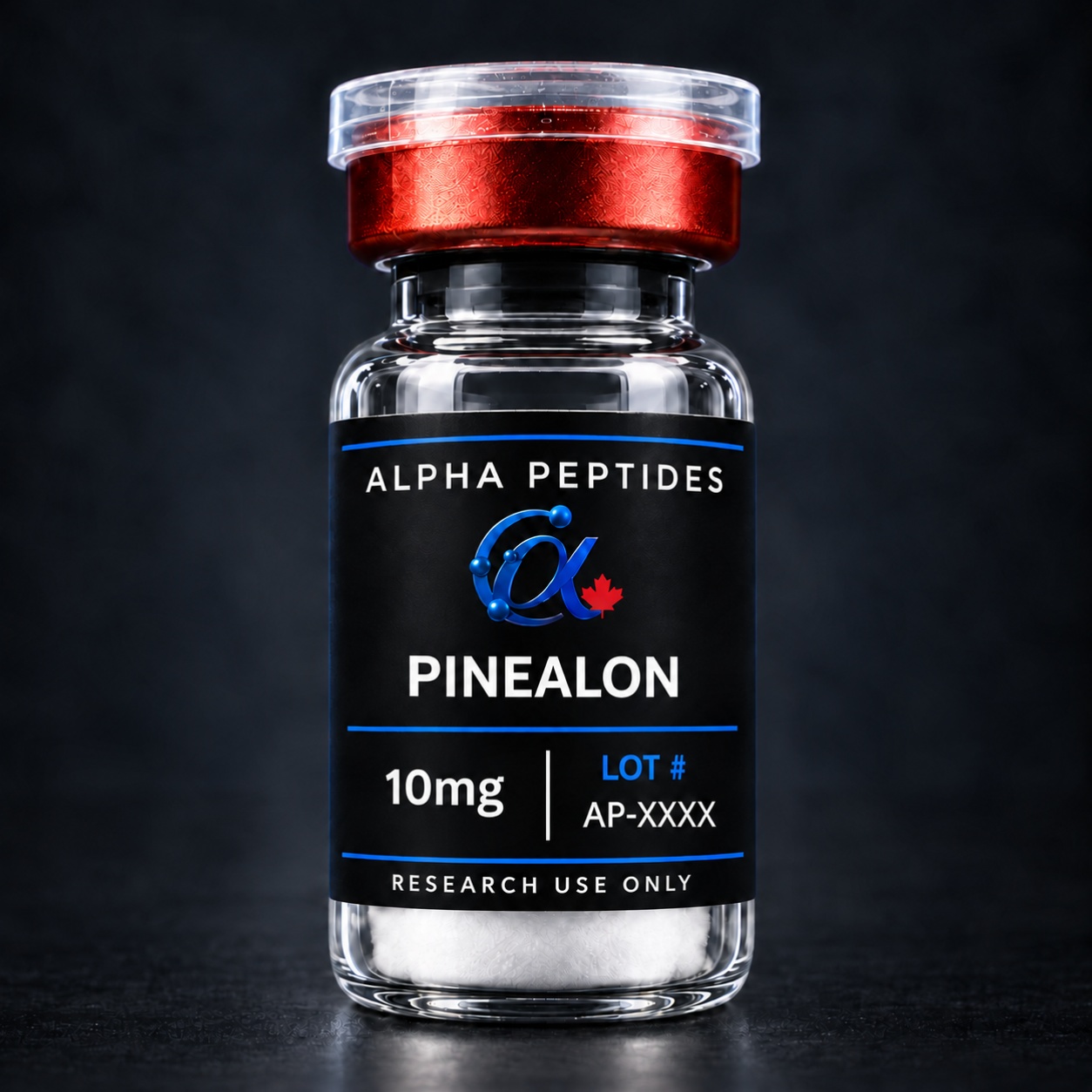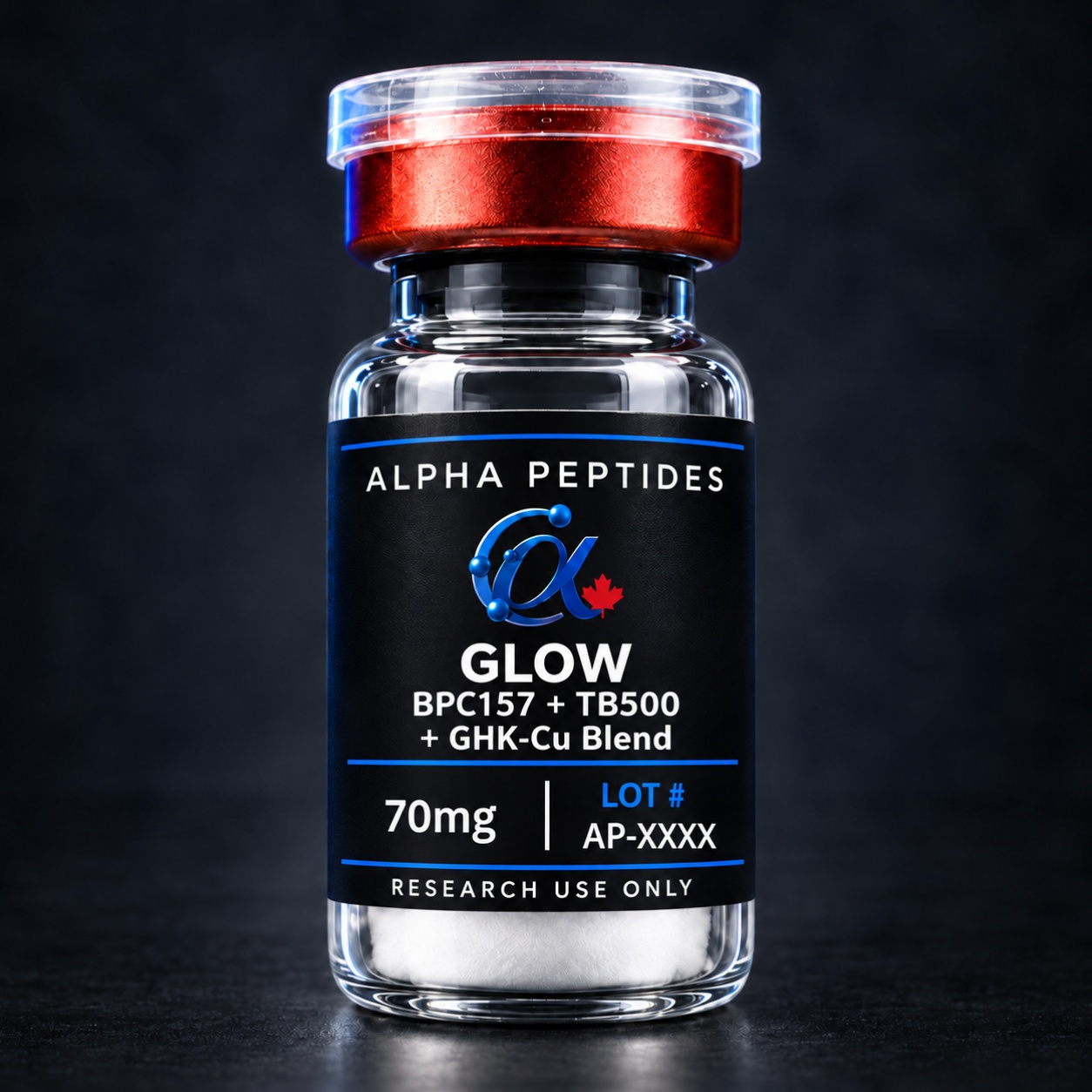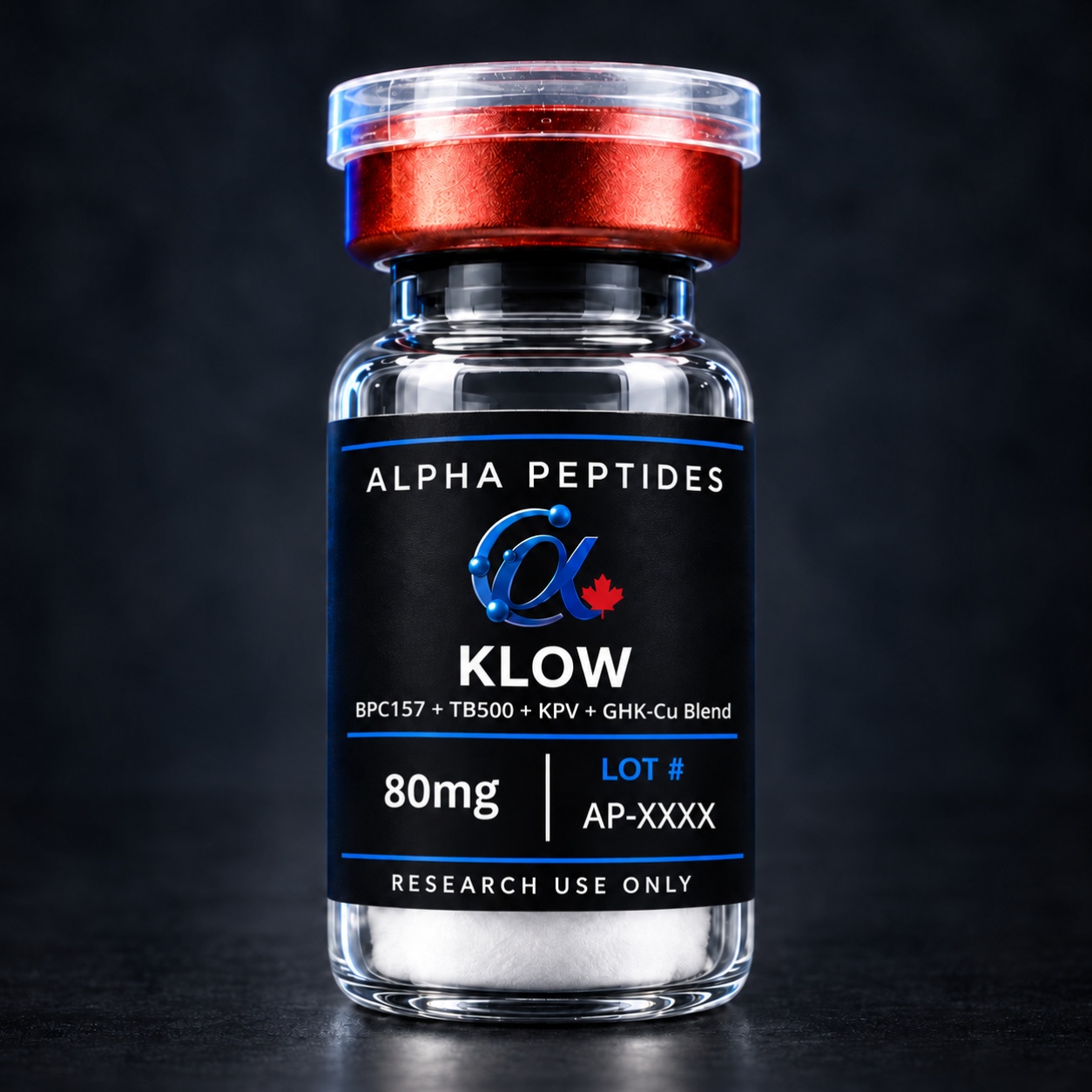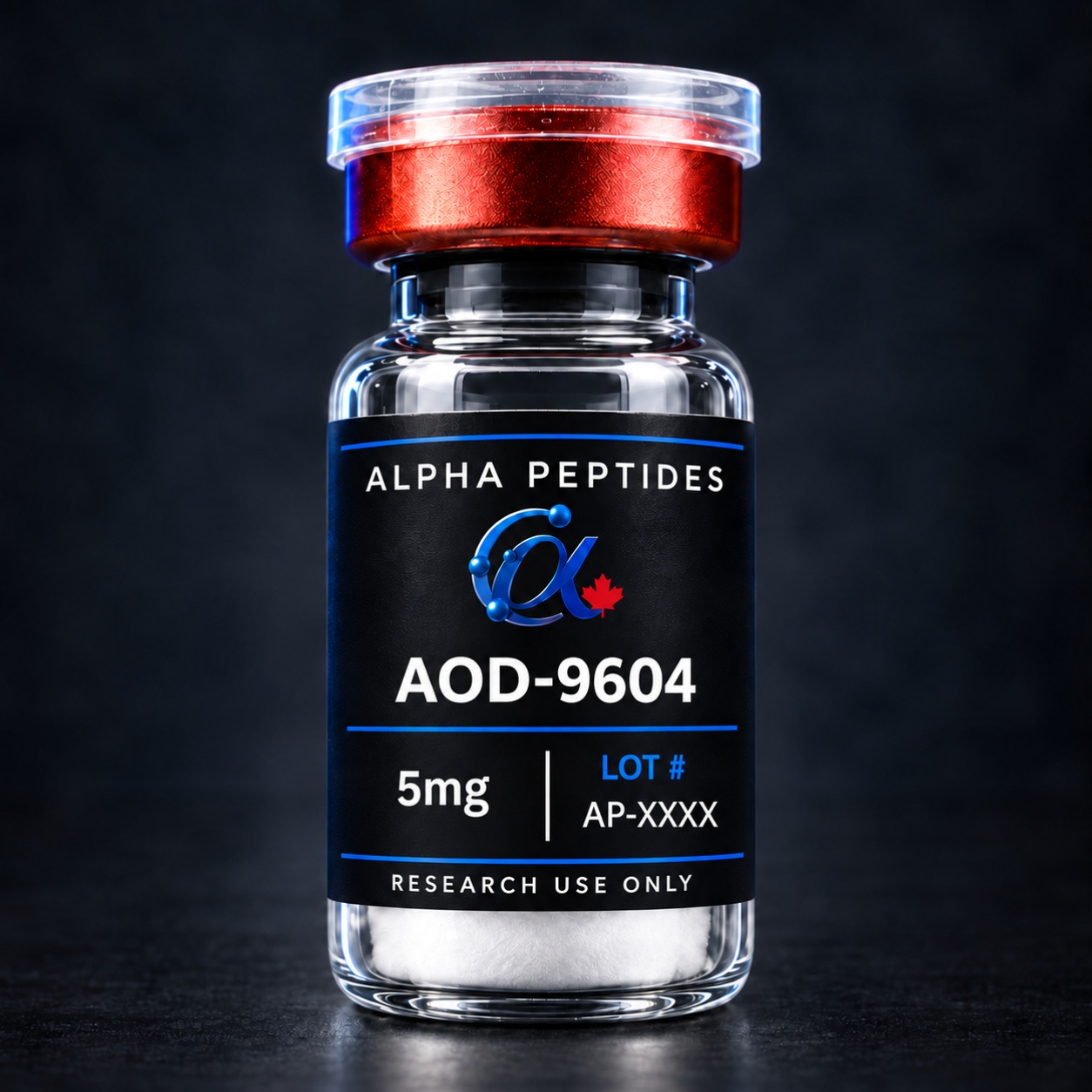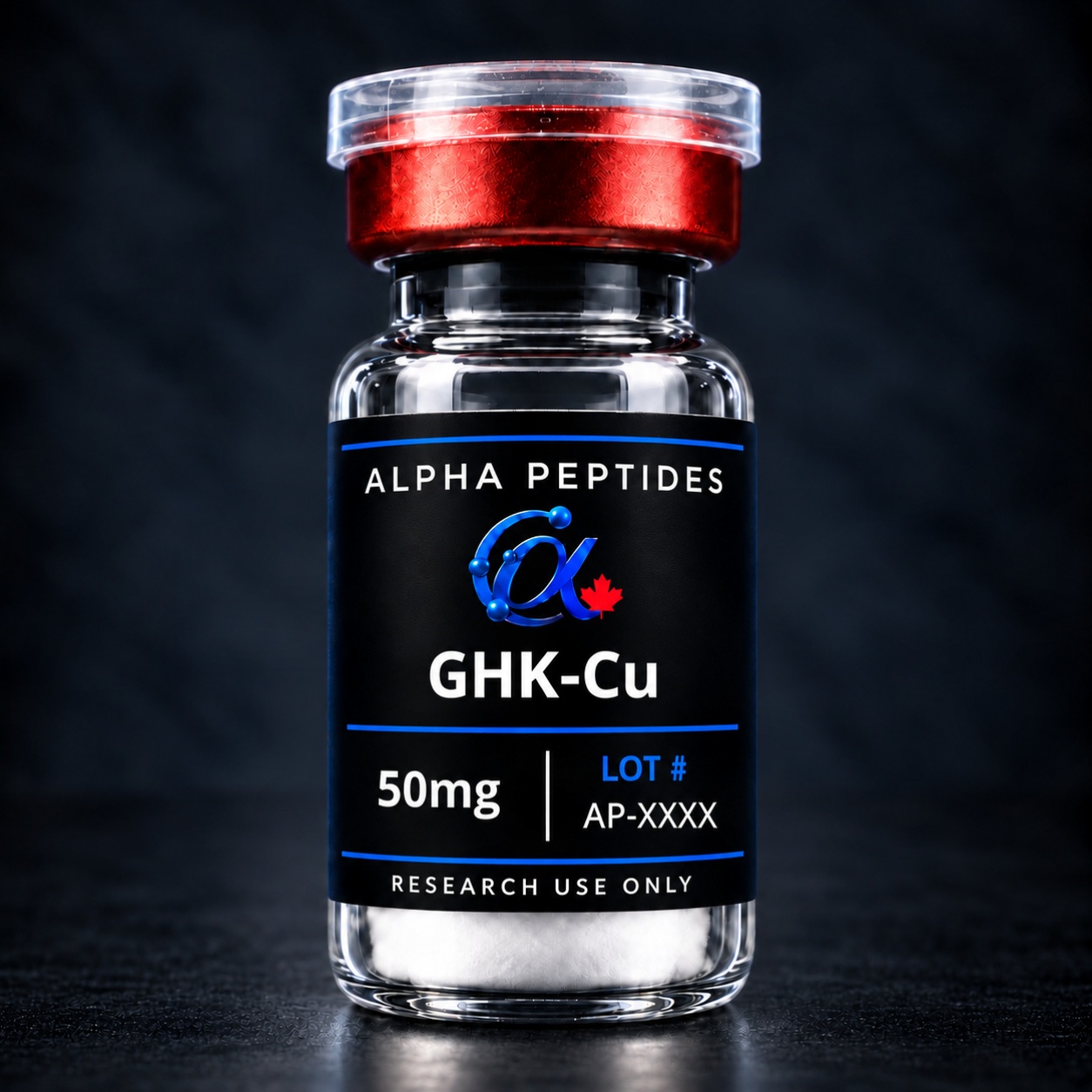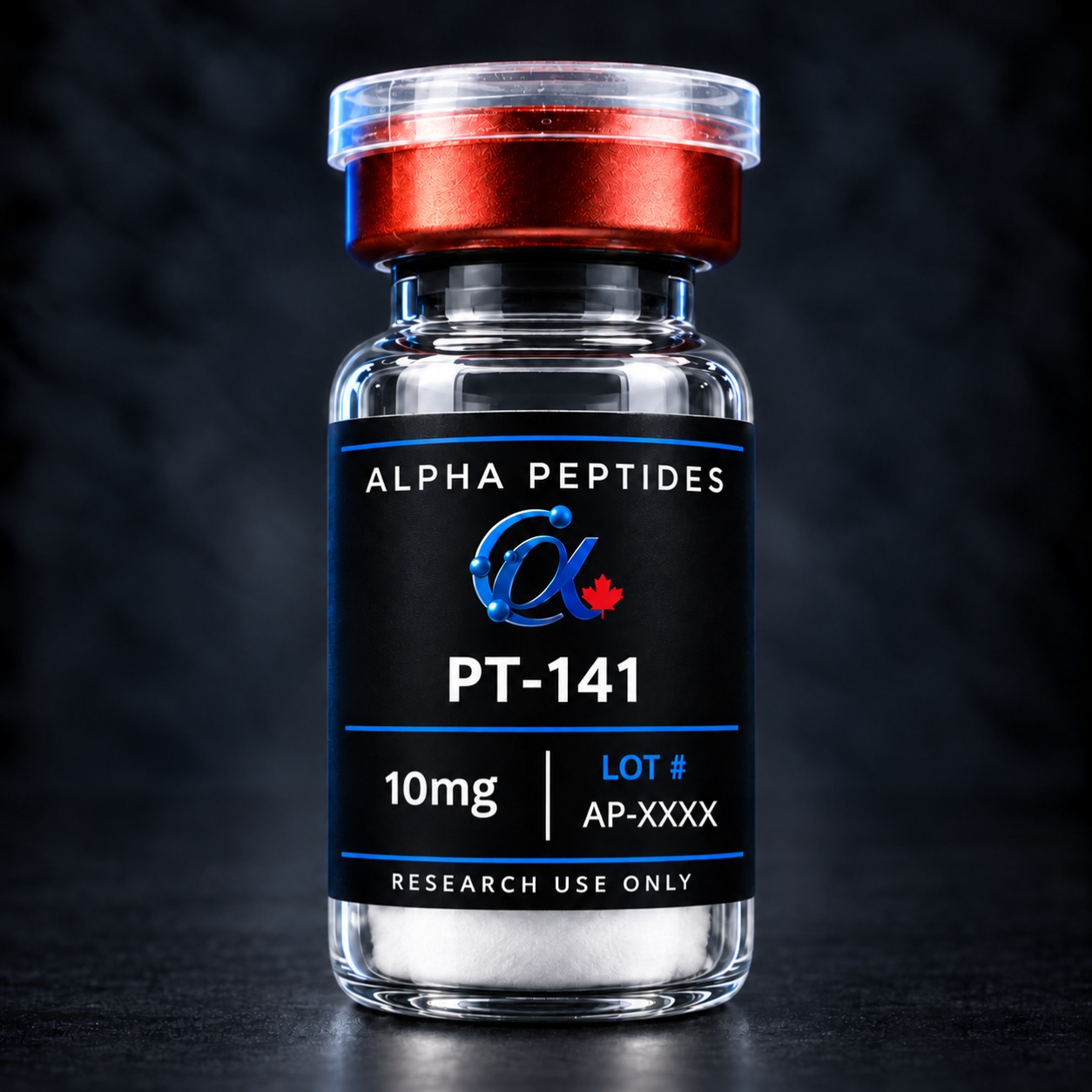
Peptide Certificates of Analysis (COAs)
A Certificate of Analysis (COA) is the lab report that proves what is in the vial. Every peptide we sell comes with a Certificate of Analysis — including the HPLC chromatograph behind the purity result — issued by PRISM Analytical Laboratories, Canada’s leading independent laboratory for testing and COA verification. Each report is produced by independent HPLC and mass spectrometer testing, and the full COA for every product is viewable directly on that product’s page.
Independently tested by PRISM Analytical Laboratories
Every peptide we carry is independently tested by PRISM Analytical Laboratories, Canada’s leading independent lab for testing and COA verification — not by us. PRISM performs independent HPLC and mass spectrometer testing on peptides and issues the Certificate of Analysis that ships with your order, chromatograph included. Testing on every report covers purity, total weight, heavy-metals analysis, and endotoxin analysis, so the results you read are produced by an accredited lab with no stake in the outcome.
Why COAs matter
Peptides are research compounds, and the only way to know exactly what you are working with is through independent laboratory testing. A COA documents the identity, purity, and mass of a specific batch, giving you confidence that your results reflect the compound itself, not contamination, mislabelling, or under-filled product. Without a verifiable COA, there is no way to trust the data on the label.
What we test
Identity (HPLC)
Independent High-Performance Liquid Chromatography confirms the peptide matches its expected molecular profile, verifying you received exactly what was ordered.
Purity
HPLC quantifies the active peptide against impurities and residual solvents, so the reported purity percentage reflects what is actually in the vial.
Mass (Mass Spectrometry)
Independent mass spectrometry measures the molecular weight of the compound to confirm the correct sequence and structure of the peptide.
Total Weight
Net content and fill volume are verified against label claims so dosing calculations stay accurate.
Heavy-Metals Analysis
Every report screens for harmful heavy-metal contamination, ensuring the compound is free from lead, arsenic, mercury, cadmium, and other trace contaminants.
Endotoxin Analysis
Bacterial endotoxin testing confirms the product meets endotoxin limits, an essential safety check for pharmaceutical-grade compounds.
Independent third-party peptide testing
Alpha Peptides Canada does not test its own products. Every batch is sent to PRISM Analytical Laboratories, Canada’s leading independent laboratory for testing and Certificate of Analysis verification, with no financial stake in the result. Independent testing removes the conflict of interest that comes with in-house reports and gives researchers data they can rely on.
HPLC analysis explained
High-Performance Liquid Chromatography (HPLC) separates a peptide sample into its individual components as it passes through a column under high pressure. Each component leaves the column at a characteristic retention time and appears as a peak on the chromatograph. The main peak represents the target peptide, and any smaller peaks represent impurities such as truncated sequences, deletion peptides, or synthesis by-products.
Purity verification from the chromatograph
Purity is calculated from the HPLC chromatograph as the area of the main peptide peak relative to the total area of all peaks. A result of 99% means 99% of the detected material is the target peptide. Mass spectrometry then confirms that the main peak has the correct molecular weight, so the purity figure refers to the right compound and not a look-alike.
Batch and lot verification
Peptides are synthesized in batches, and purity can vary from one batch to the next. Every COA is tied to a specific lot number, and the same lot number is printed on each vial from that batch. Matching the two is the only way to confirm that the report — and its chromatograph — describes the exact product you received.
How to read a peptide lab report
A complete Certificate of Analysis lists the laboratory name, sample and lot number, test date, test methods used, the HPLC chromatograph with retention time and purity percentage, the mass spectrometry result compared with the theoretical molecular weight, net peptide content, and the signature of the reviewing analyst. Reports missing these details should not be trusted.
How to verify your COA
A COA is only meaningful if it belongs to the batch in your hand. Two checks keep it honest:
Match the lot number
Every vial is stamped with a lot number. The lot number on your product must match the lot number printed on the corresponding Certificate of Analysis. If they differ, the report does not apply to the product in your hand.
Verify the report is authentic
Authentic COAs are issued by accredited third-party laboratories and carry the lab’s name, accreditation, signature, and test date. Reports that are missing these details, appear altered, or cannot be traced to a lot should be treated as invalid.
COAs are on every product page
You no longer need to request a COA separately. Each product page displays its current Certificate of Analysis alongside the product details, so you can review the test results and chromatograph for the exact batch you are ordering before you buy.
Browse productsCOAs by product
Select a product to view its Certificate of Analysis on the product page.